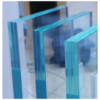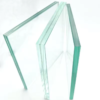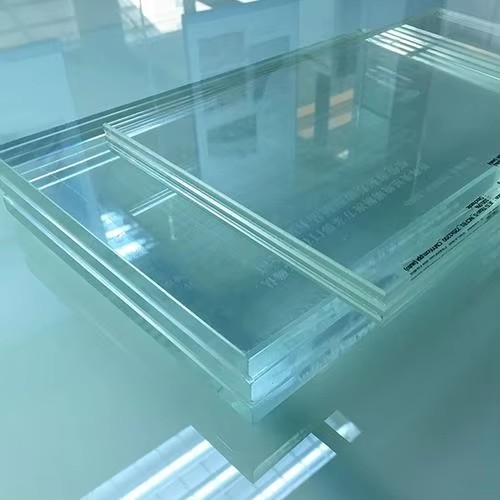
Glass Type: Low iron (ultra clear) float glass, reduced iron oxide content for minimal green tint
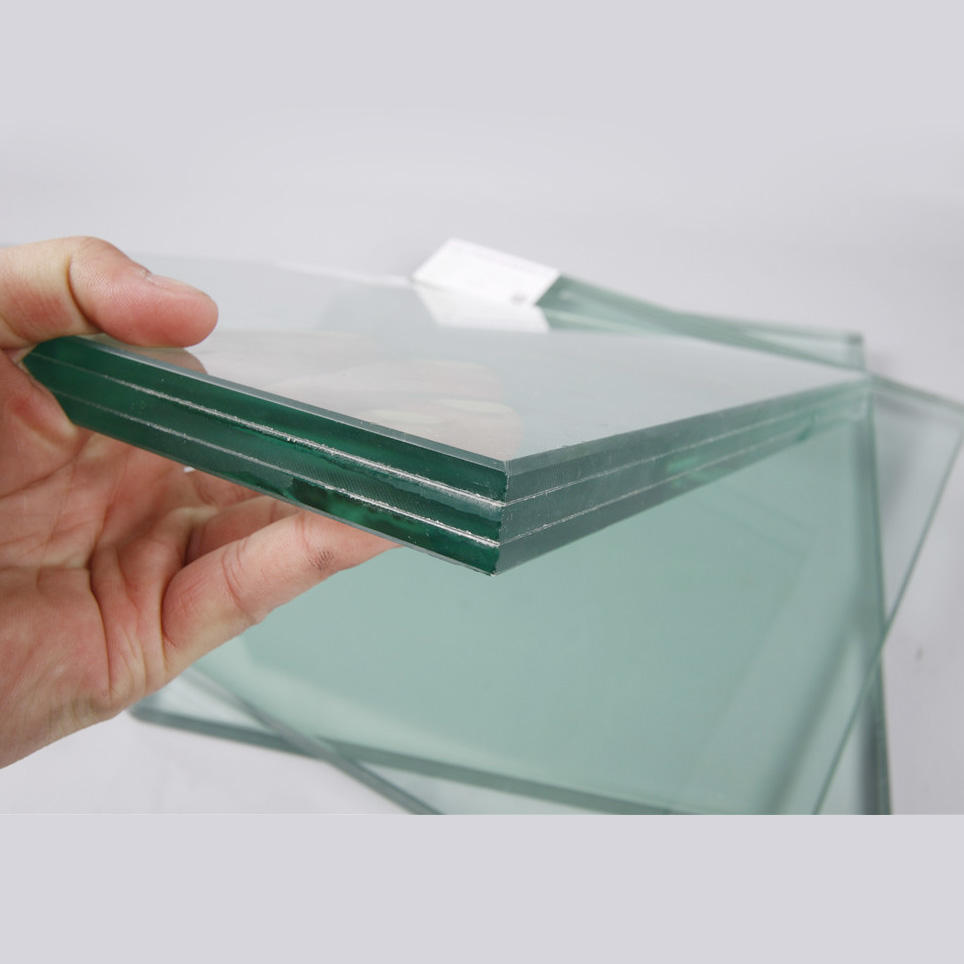
Construction: Two or more glass plies bonded by a PVB interlayer (SGP / EVA interlayers available on request)
Standard Thickness (typical):
Despite its premium appearance, low iron laminated glass delivers the full range of functional performance expected of architectural laminated glass. The PVB interlayer holds glass fragments in place if the panel is broken, reducing the risk of injury from falling shards. The interlayer also dampens sound transmission, helping to reduce street and traffic noise, and blocks the large majority of ultraviolet radiation to protect interiors, furnishings and merchandise from fading.
This combination of optical clarity, safety performance and design flexibility makes low iron laminated glass a versatile premium product for architects, fabricators and glazing contractors who need the highest visual quality without compromising on safety. |
Products Name
|
Ultra Clear Low Iron Laminated Glass
|
|
Thickness
|
3mm+3mm;4mm+4mm;5mm+5mm; 6mm+6mm;8mm+8mm;10mm+10mm;12mm+12mm;
Customizable)
|
|
Edge treatment
|
Polished
|
|
Interlayer
|
PVB/SGP/EVA
|
|
Film color
|
Milky White, Porcelain White Blue,grey,green ,bronze,pink,etc
|
|
Size
|
As per customer requirrements Max raw glass size 4600mm*9000mm and 3300mm*16000mm
|
|
Certificate
|
CCC/S09001/CE/SGCC/BS/SAL
|
|
Application
|
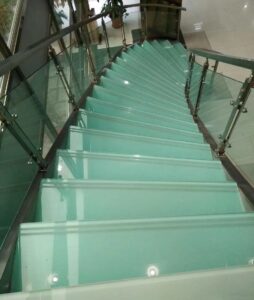
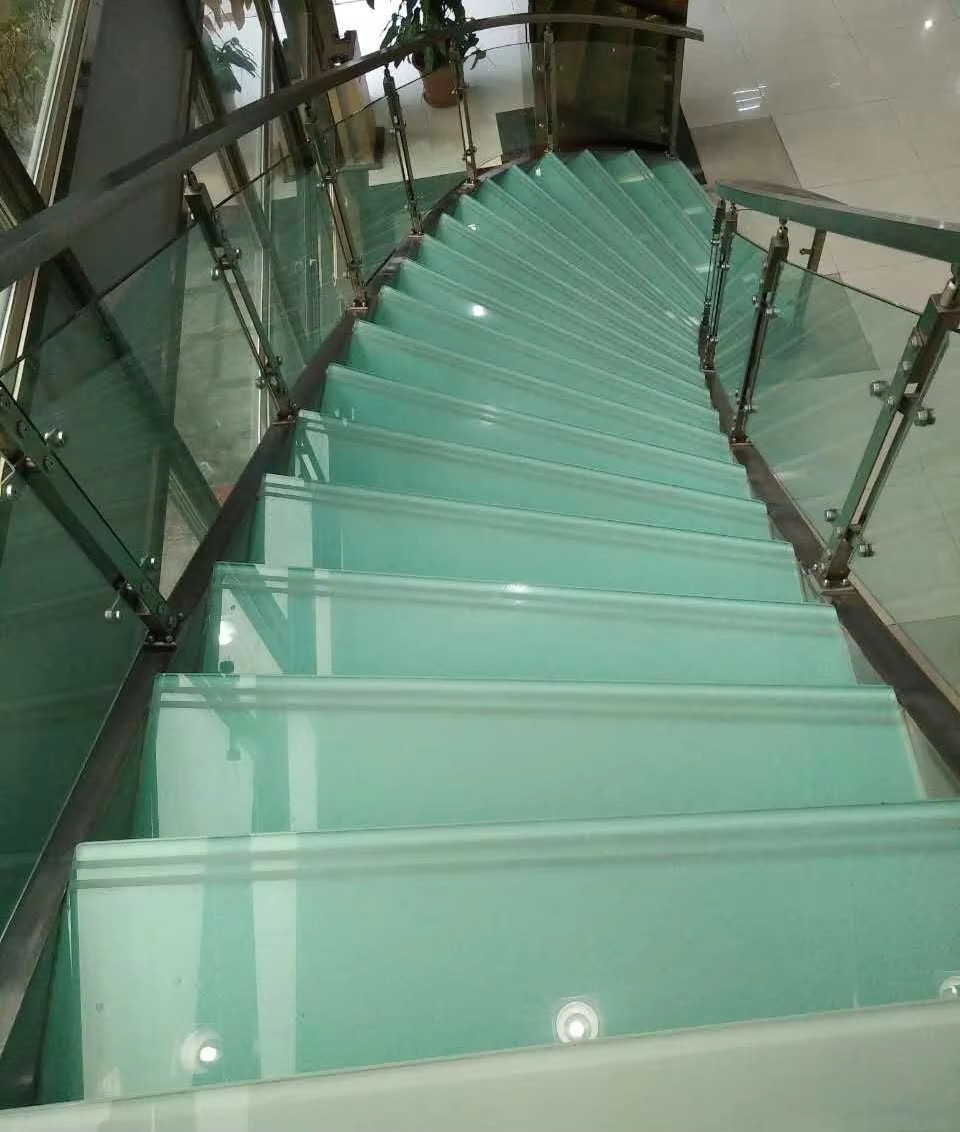
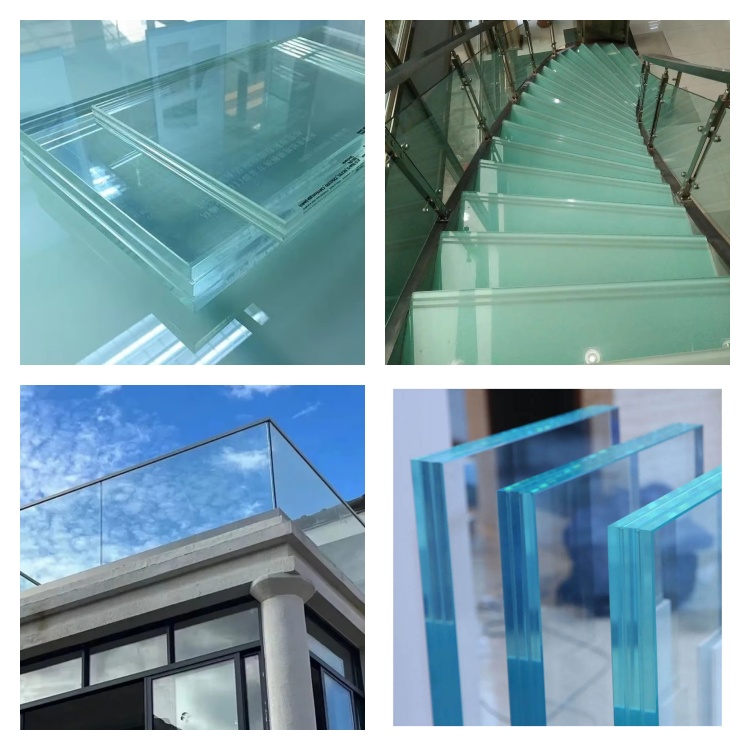
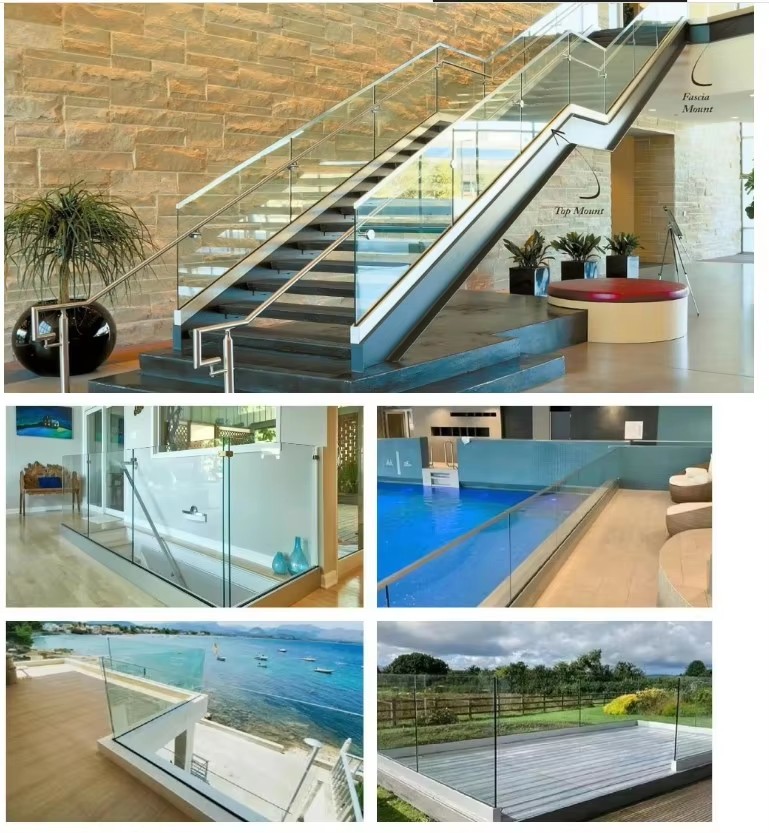
Window/ Door, Railing/ Balustrade/ Handrail/Roof/ Skylight/ Canopy/ Awning/ Dome.Floor/ Staircase/ Bridge, Office partition wall,
Curtain wall/ Facade, Elevator |
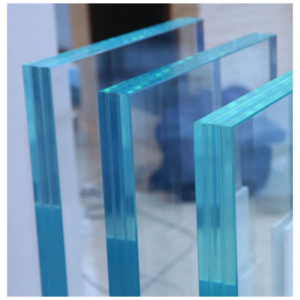
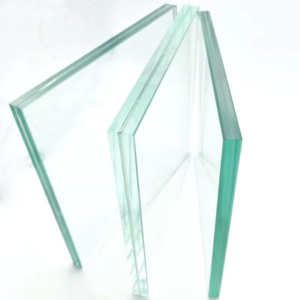
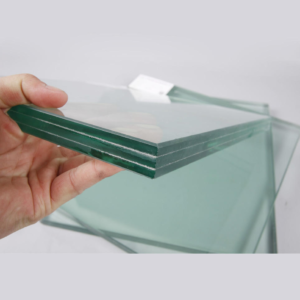
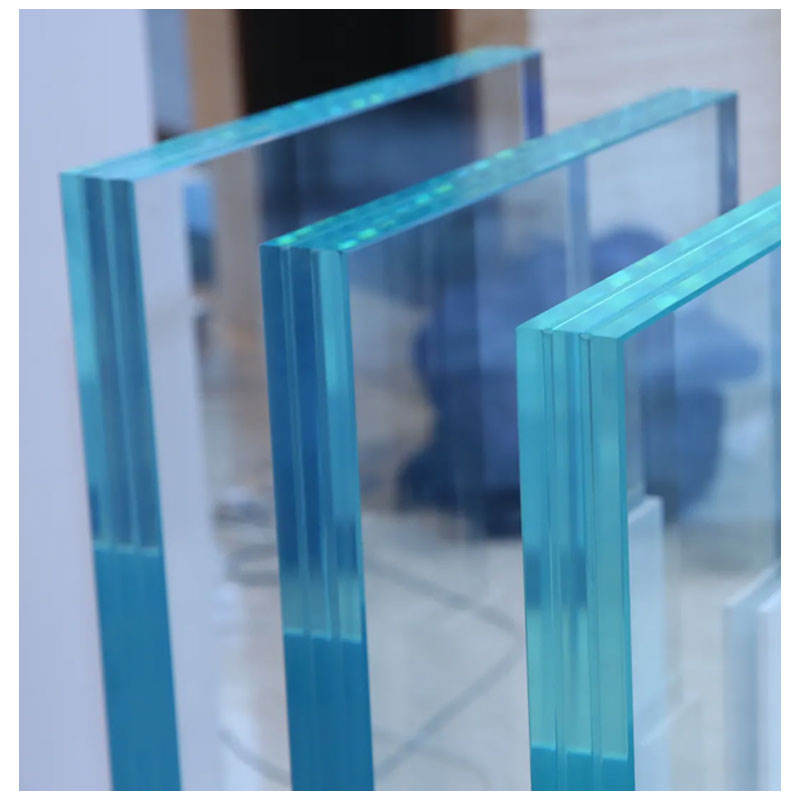
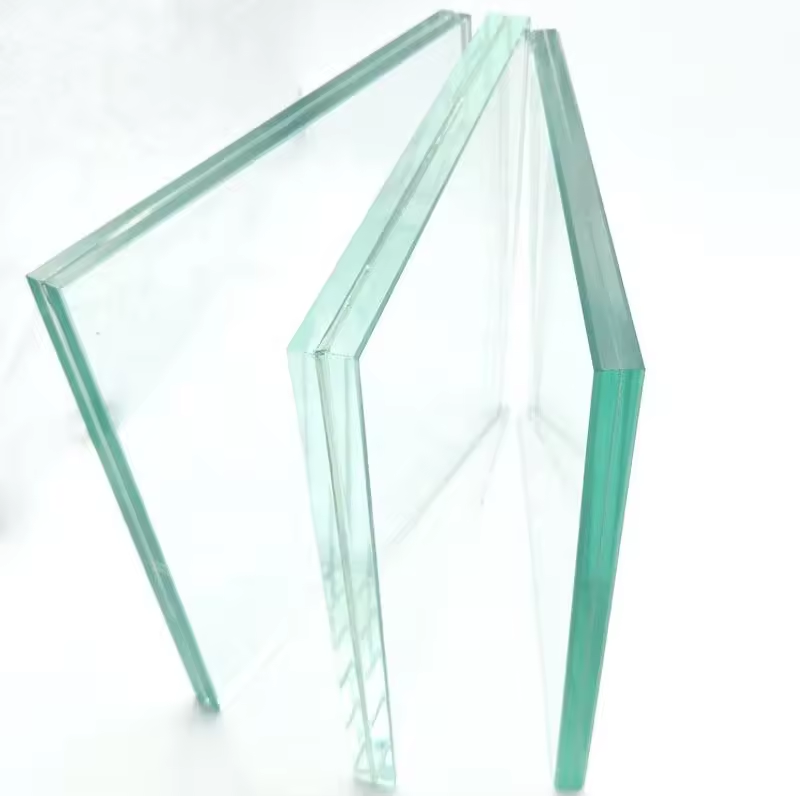
The defining difference of low iron glass is its material chemistry. Standard float glass contains trace iron oxide, which absorbs light in the yellow-green spectrum and gives the glass edge a distinct green appearance when viewed in profile. Low iron glass reduces this iron content to a fraction of the normal level, which measurably raises visible light transmission and produces a clean, colorless edge. When laminated, these plies are joined by a PVB film that also provides the safety, sound-control and UV-filtering benefits typical of laminated glazing.

For a facade, a retail display, a museum case or an interior partition, the value of low iron laminated glass lies in how it presents color. Because it does not distort the tone of whatever is viewed through it, it is the preferred choice wherever accurate color rendering matters — from jewelry and fashion displays to art galleries and architectural feature walls. Light passes through with minimal loss, so interiors feel brighter and displays look truer to life.
1. True Ultra-Clear Appearance Low iron glass removes the green edge tint and color cast of standard float glass. Panels appear neutral and colorless, and edges look clean and bright — a visibly higher quality finish that elevates any architectural or display application.
2. Higher Light Transmission With reduced iron content, low iron laminated glass transmits more visible light than standard float glass of the same thickness. Interiors feel brighter and natural, and displays gain depth and sparkle.
3. Accurate Color Rendering Because the glass does not tint the view, colors seen through it remain true. This is essential for retail merchandising, art galleries, showrooms and any environment where the true appearance of the object is the point.
4. Laminated Safety Performance The PVB interlayer holds shattered glass in place on impact, reducing injury risk from falling shards and meeting the expectations of safety glazing applications.
5. Sound Control The interlayer dampens sound transmission, helping to reduce external noise in offices, retail and residential settings.
6. UV Protection The interlayer blocks the large majority of ultraviolet radiation, protecting furnishings, merchandise, artwork and flooring from fading and sun damage.
7. Design Flexibility Low iron glass can be tempered, coated, printed or laminated with specialty interlayers, allowing it to meet both aesthetic and performance requirements in a single glazing unit.
8. Custom Manufacturing Produced cut-to-size with edge work to your specification, with full flexibility on thickness, tempering and coatings.
Q1: What is the difference between low iron and clear laminated glass?
Low iron glass uses glass with greatly reduced iron oxide content, which removes the green tint and edge color of standard clear float glass. This raises visible light transmission and gives a neutral, colorless appearance — at a higher cost than standard clear.
Q2: Can low iron laminated glass be tempered?
Yes. The glass plies can be fully tempered or heat-strengthened before lamination for additional strength and impact resistance, and we can supply tempered low iron laminated glass on request.
Q3: Does it really block UV?
The PVB interlayer absorbs the large majority of ultraviolet radiation, which helps protect interiors, artwork and merchandise from fading. The exact UV performance depends on the interlayer selected — please confirm the required UV data with your configuration.
Q4: What thicknesses and sizes are available?
Standard glass plies range from 4 mm to 12 mm with interlayers from 0.38 mm to 1.52 mm, producing finished panels from about 6.38 mm to 12.38 mm. Panels are cut to size to your drawings. Please send your dimensions for a quotation.
Q5: Can it be combined with Low-E coating or tinted interlayers?
Yes. Low-E coatings, tinted films, printed or fritted finishes can be combined with low iron plies to achieve energy performance and a customized appearance while keeping the ultra-clear base.
Q6: What are the typical lead times and packaging?
Lead time depends on configuration, tempering and quantity. Glass is packed in wooden crates with interleaving protection for safe export. Contact us with your specifications for a precise schedule.