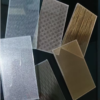
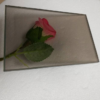
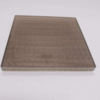
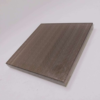
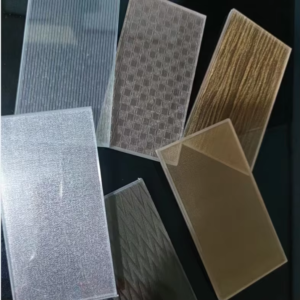
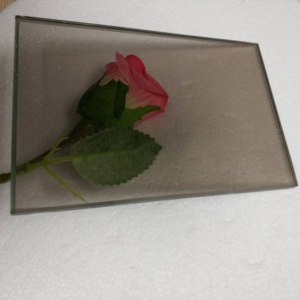
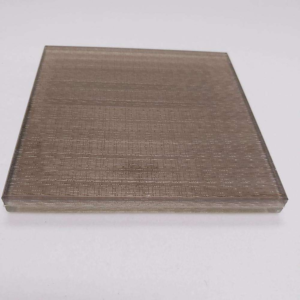
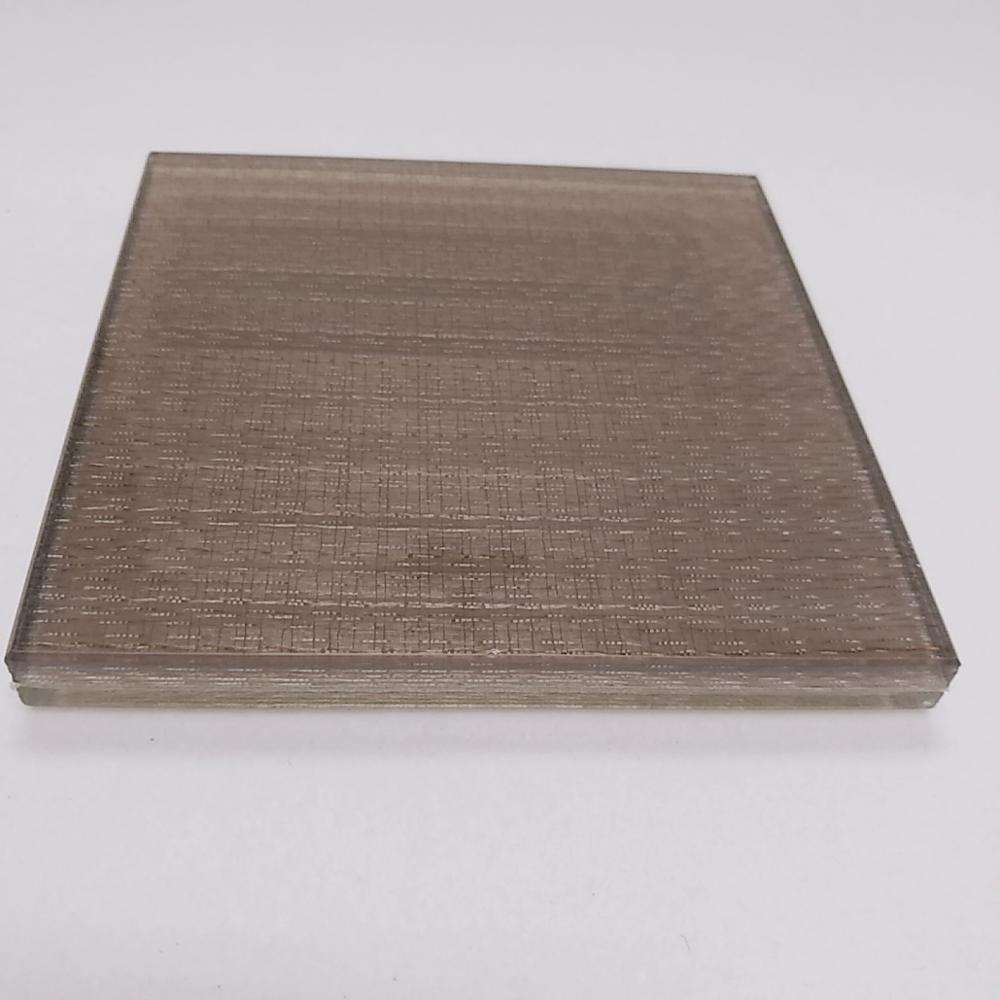
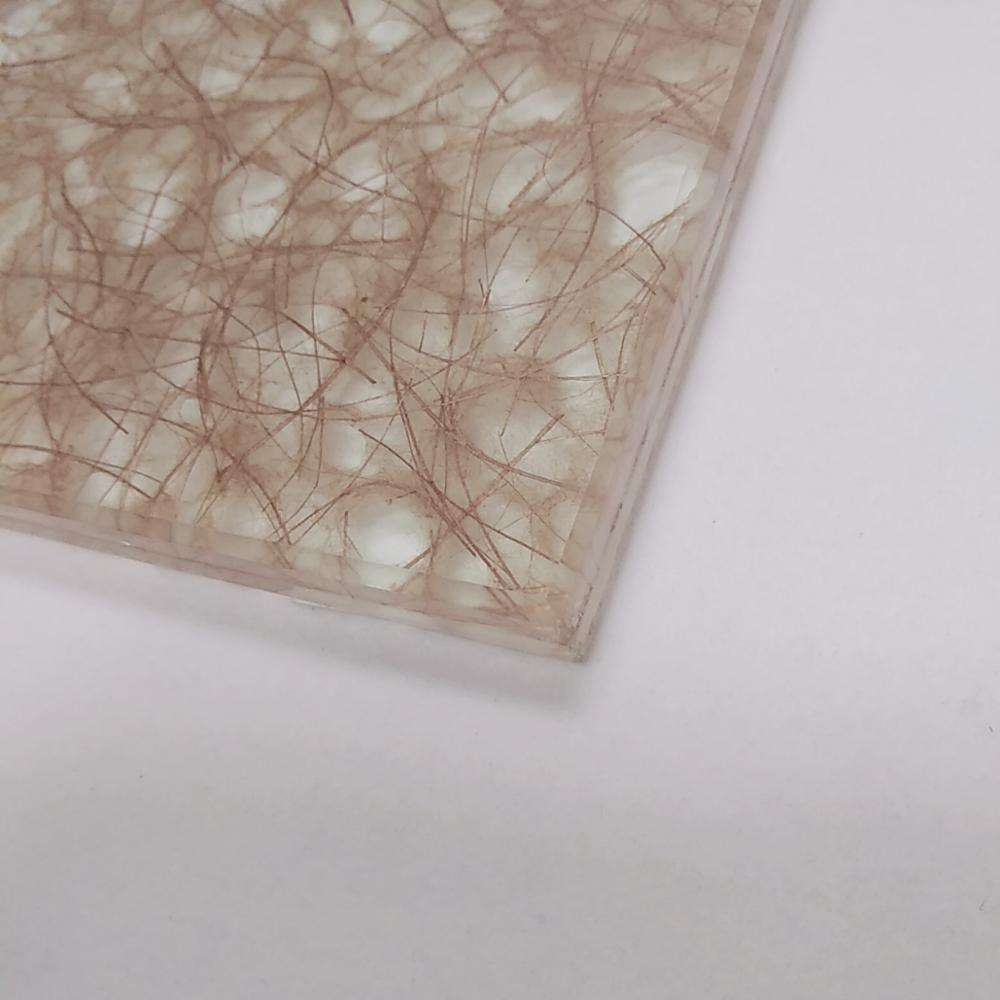
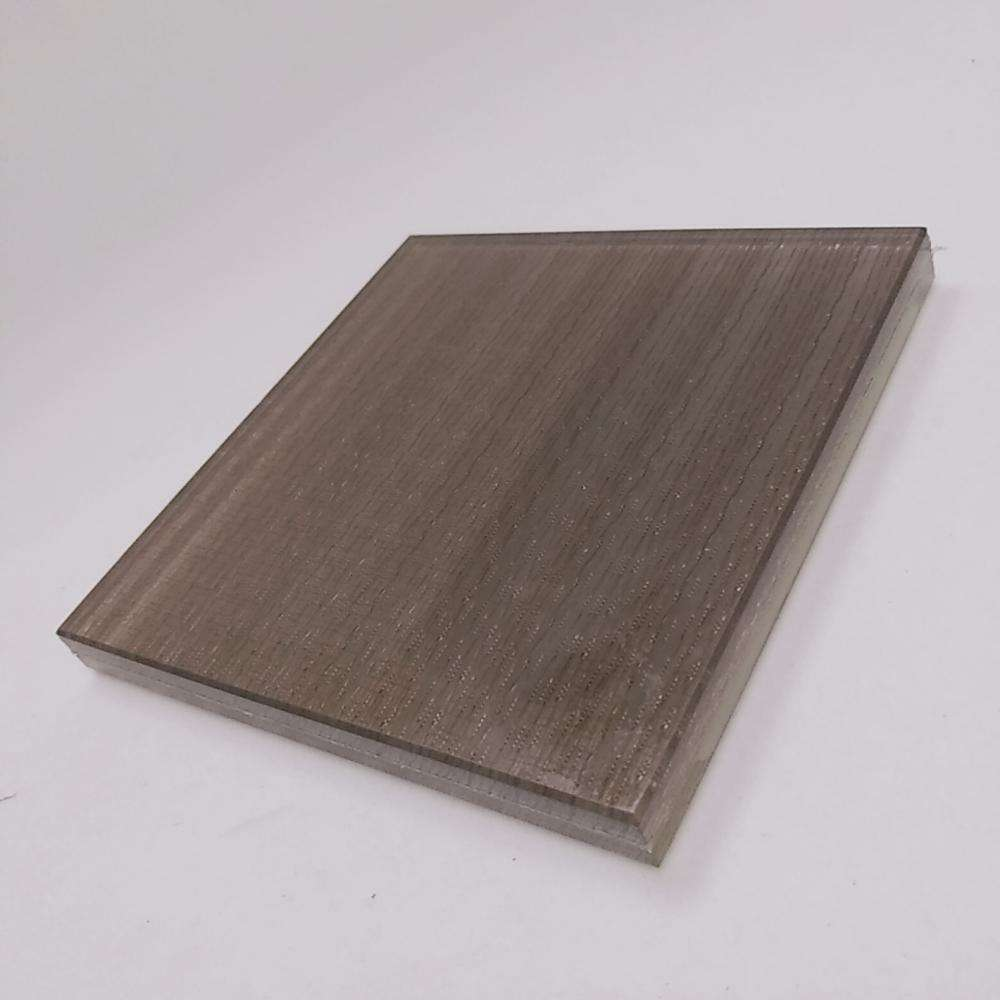
Product Type: Decorative fabric / textile laminated safety glass
Construction: Two glass plies + embedded textile + EVA or PVB interlayer
Glass Options: Clear float glass, low-iron (ultra clear) glass, or tinted glass plies
Glass Ply Thickness (typical): 4 mm, 5 mm, 6 mm, 8 mm (tempered optional)
Interlayer Options: EVA (standard for fabric bonding), PVB on request

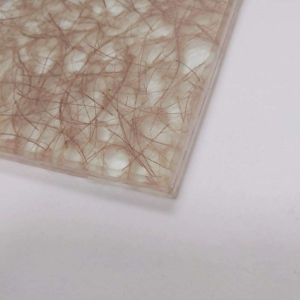
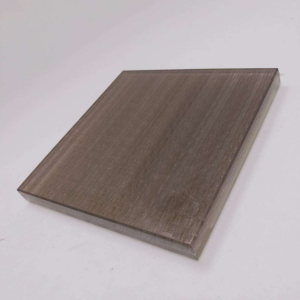
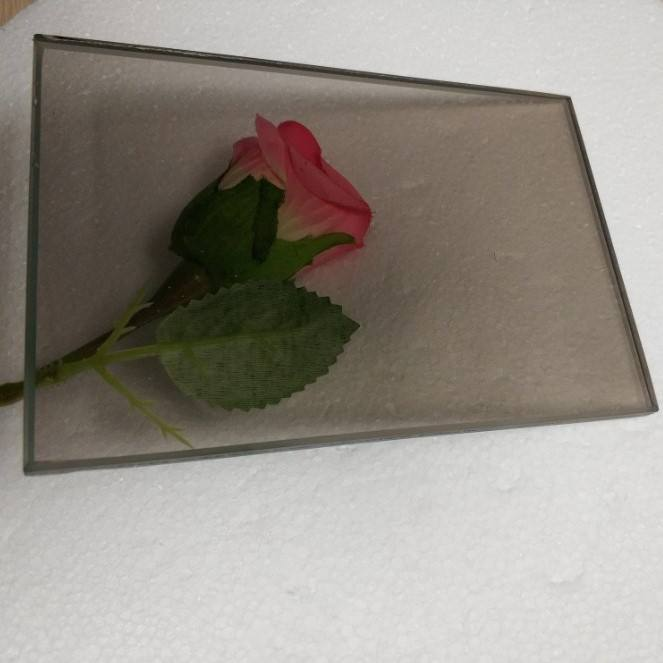
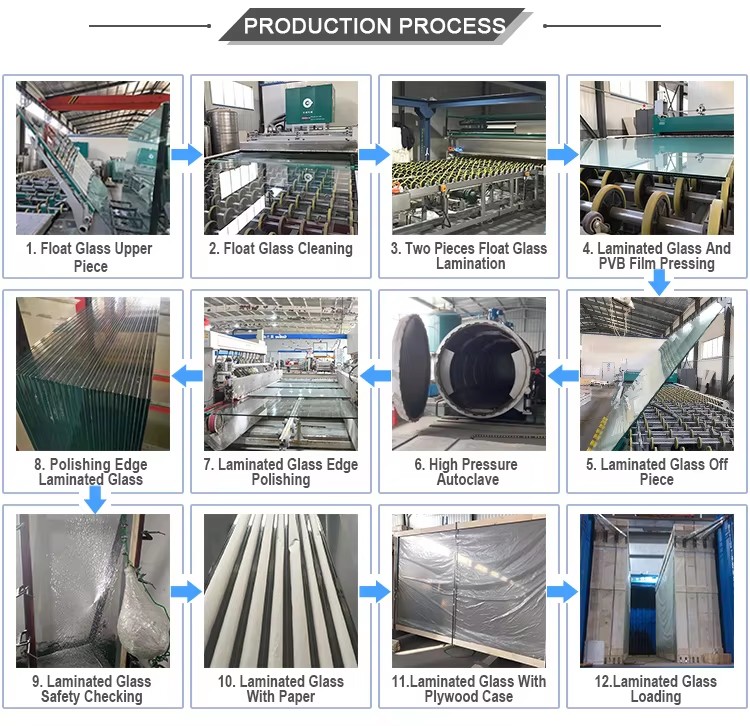
The construction process is what makes this product distinctive. A selected fabric is laid flat between two sheets of clear or low-iron float glass, and the assembly is bonded under heat and pressure using an interlayer such as EVA or PVB. EVA is commonly used for fabric lamination because it processes at lower temperatures and bonds reliably to textile surfaces, reducing the risk of air bubbles, wrinkles or delamination around the fabric; PVB is also used where appropriate. The result is a clean, flat panel with the fabric fully encapsulated, protected from moisture, dust, fingerprints and abrasion.
| Item | Specification | Remarks |
|---|---|---|
| Product Name | Fabric Laminated Glass (Textile Interlayer Glass) | Decorative laminated safety glass |
| Construction | Two glass plies + embedded textile + EVA / PVB interlayer | Fabric fully sealed between glass |
| Base Glass | Clear Float / Low Iron / Tinted | Low iron for clearer fabric color |
| Glass Ply Thickness | 4mm, 5mm, 6mm, 8mm | Custom combination available |
| Tempering | Optional — tempered before lamination | Finished panel cannot be tempered after |
| Interlayer Material | EVA (standard for fabric bonding) / PVB (on request) | EVA reduces bubbles & wrinkles on textile |
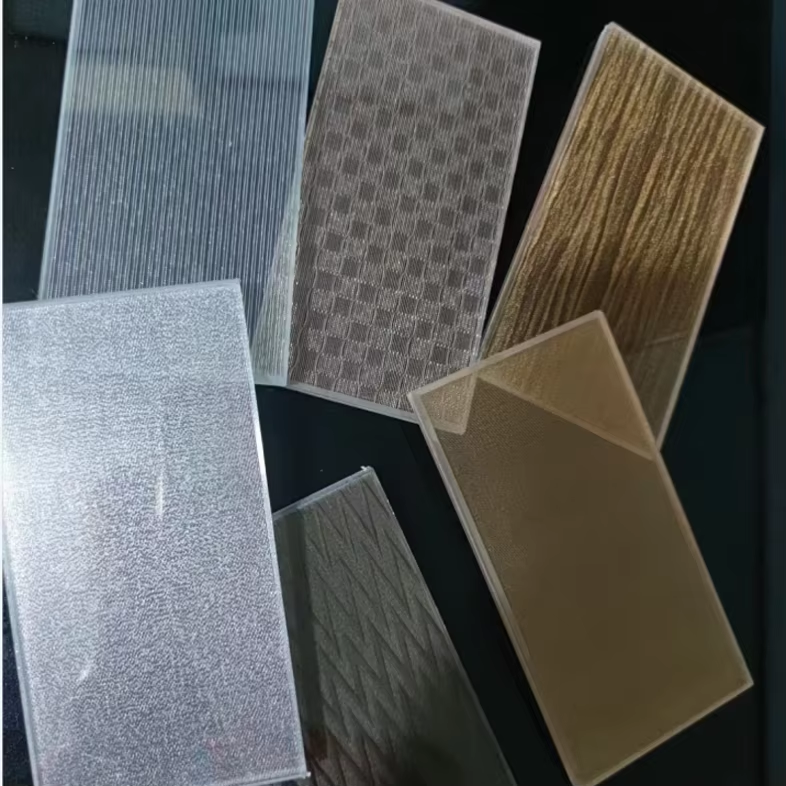
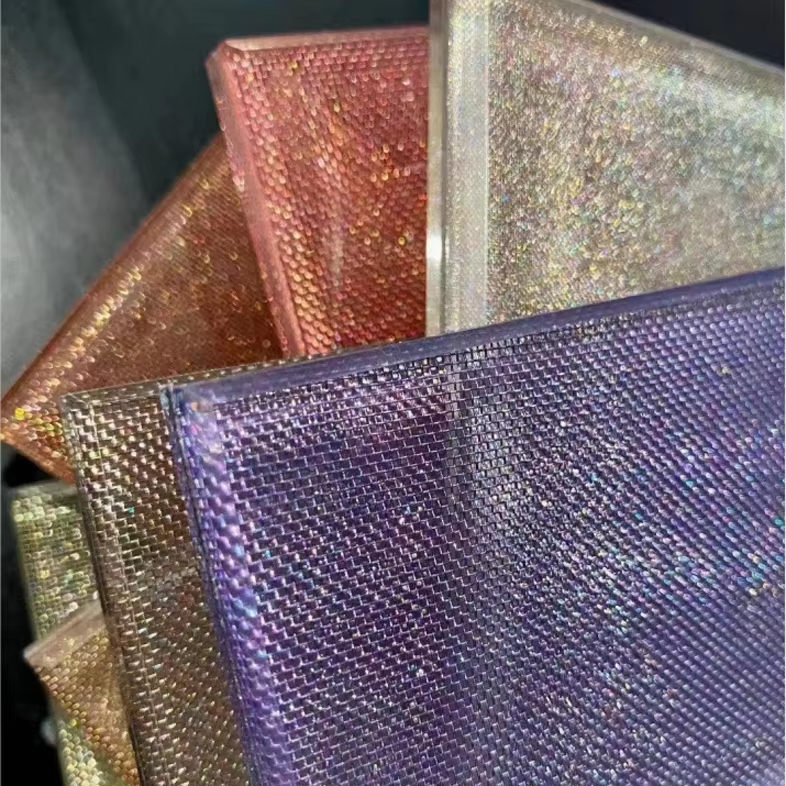
| Fabric Options | Linen, Cotton, Silk, Lace, Embroidery, Mesh, Jute, Printed Fabric | Client-supplied fabric accepted |
| Fabric Width / Repeat | Per selected textile | Confirm pattern repeat before cutting |
| Finished Thickness (typical) | 4+0.76+4 = 8.76mm
5+0.76+5 = 10.76mm 6+0.76+6 = 12.76mm |
Varies with interlayer thickness |
| Light Transmission | Varies by fabric density (sheer = higher, dense = lower) | Measured per textile, confirm with sample |
| Privacy Level | Semi-translucent to near-opaque | Adjustable by fabric density |
| UV Blocking | Large majority of UV blocked by interlayer | Helps slow textile & interior fading |
| Sound Insulation | Rw approx. 30–36 dB | Depends on build-up |
| Surface Finish | Smooth glass on both faces | Easy to clean, fabric never exposed |
| Edge Processing | Polished / Arrised / Seamed | Completed before lamination |
| Machining | Cutting, Drilling, Notching, Hole milling | All done before lamination |
| Max Size | 2440×3660mm (typical) | Larger size negotiable |
| Thickness Tolerance | ±0.2mm | Per laminated glass standard |
| Dimension Tolerance | ±2mm | Per architectural glass standard |
| Safety Feature | Fragment retention | Interlayer holds fragments on breakage |
| Recommended Use | Interior, dry, conditioned spaces: partitions, screens, feature walls, furniture fronts, cabinet doors | NOT for exterior facade, prolonged direct sun, humid or wet areas |
| Standard Compliance | EN 14449, ASTM E2190 | Test report on request |
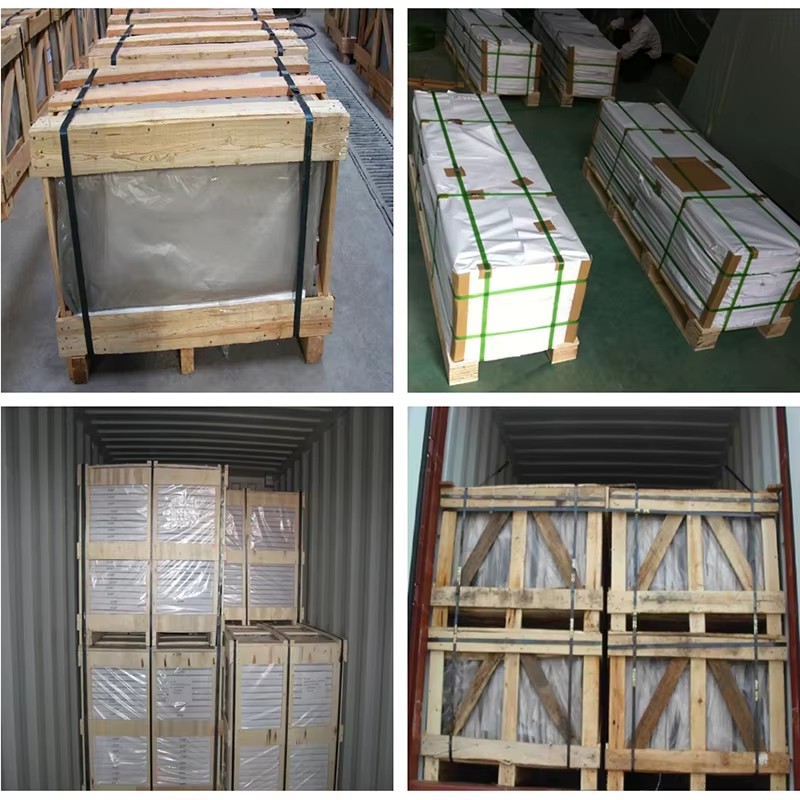
| Packing | Plywood crates with foam interleaving | Sea-worthy export packing |
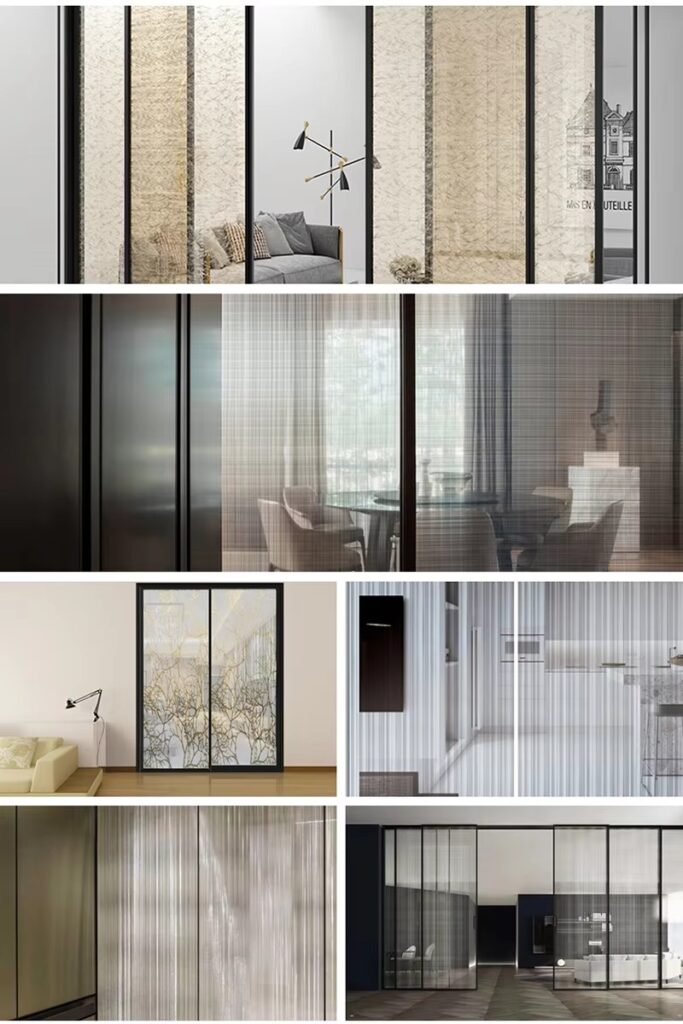
Fabric laminated glass is specified for interior decorative glazing in dry, conditioned spaces:
Not recommended for exterior facades, prolonged direct sunlight or humid/wet environments.
Q1: What is fabric laminated glass?
It is laminated safety glass with a real textile — linen, silk, lace, printed fabric or mesh — sealed between two glass plies with an interlayer. The fabric is fully encapsulated and protected by glass on both sides.
Q2: Which interlayer is used?
EVA is commonly used for fabric lamination because it bonds reliably to textiles at lower processing temperatures and reduces the risk of bubbles or wrinkles. PVB can also be used where suitable. We will recommend based on your fabric and design.
Q3: Can I supply my own fabric?
Yes. Clients can supply their own textile for sampling and approval. We recommend sending a sufficient length for testing before production, since fabric thickness, weave and colour behaviour can affect the lamination result.
Q4: Can fabric laminated glass be used outdoors?
No — it is intended for interior, dry, conditioned spaces. Textiles are sensitive to prolonged sunlight and moisture, so exterior facades, long-term sun exposure and humid or wet areas are not recommended. For exterior decorative effects, consider printed or fritted laminated glass instead.
Q5: Will the fabric fade?
The interlayer blocks the large majority of UV radiation, which greatly slows fading, and the fabric is protected from dust and moisture. However, some fading can still occur over many years depending on the textile and light exposure — this is why interior use is recommended.
Q6: Can it be tempered?
The glass plies can be tempered before lamination. Tempering must be completed before the fabric is laminated; the finished panel cannot be tempered afterwards.
Q7: Is it safe if it breaks?
Yes. As laminated glass, the interlayer holds the fragments together and prevents sharp shards from falling, reducing injury risk.