Q1: What is the difference between body-tinted laminated glass and colored interlayer laminated glass?
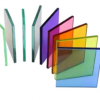
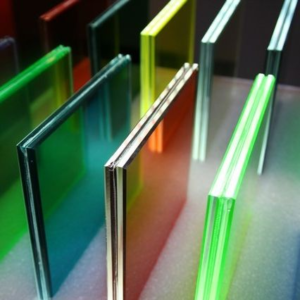
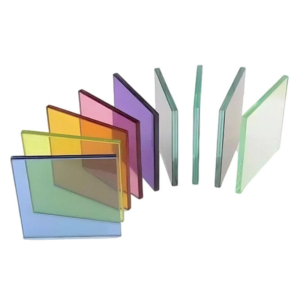
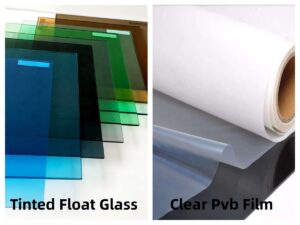
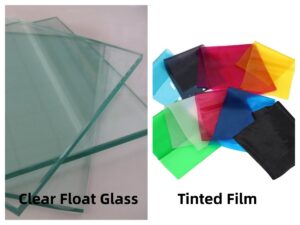
Body-tinted laminated glass gets its color from the glass sheet itself, with clear interlayer. Colored interlayer laminated glass uses clear glass, and the color comes from the middle PVB/SGP film.
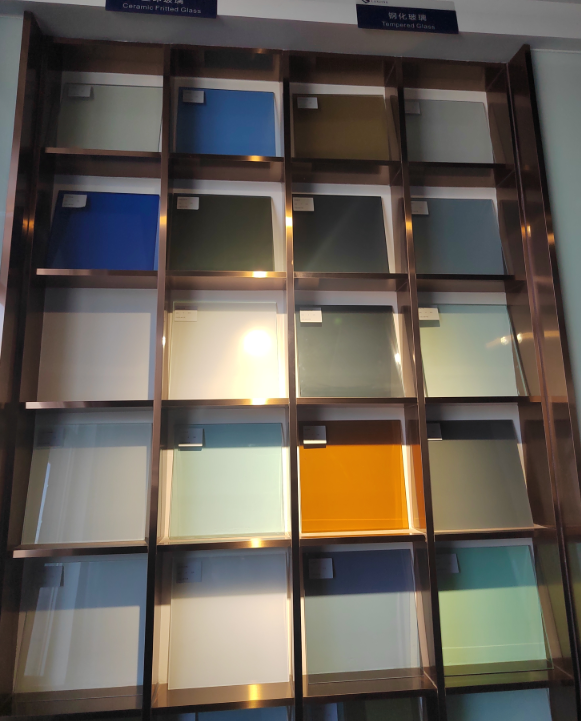
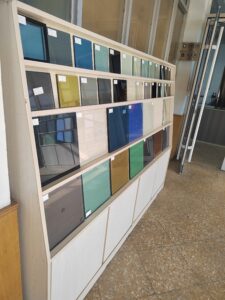
Q2: Can I get color samples before order?
Yes. We can provide.
Q3: Will the color fade over time?
For body-tinted glass, the pigment is melted into glass body, permanent and non-fading. For colored interlayer, the pigment is inside the interlayer, sealed between glass layers, protected from scratch and direct weathering. When we use high-quality architectural grade PVB/SGP interlayer, the color fastness meets exterior building standard. Cheap decorative EVA interlayer is not recommended for long-term exterior use.
Q4: Can colored interlayer laminated glass reduce heat like body tint glass?
No. Colored interlayer only changes light color and transmittance, it cannot absorb solar infrared heat like body tint glass. If your core demand is energy saving and heat insulation, body tint laminated glass is the correct option. If you only need color decoration without changing heat gain, choose colored interlayer type.
Q5: Can both types be tempered?
Yes. Glass can be tempered before lamination, suitable for balustrades, facades and overhead glazing.
Q6: Does colored interlayer laminated glass reduce heat?
No. The colored film only adjusts light transmission and color, without absorbing infrared heat. Choose body-tinted type if solar heat control is required.
Q7: Which interlayer is recommended for exterior projects?
PVB or SGP is recommended. SGP has better tear resistance and water resistance for high-rise and humid environments. EVA is cost-effective and only for interior decoration.
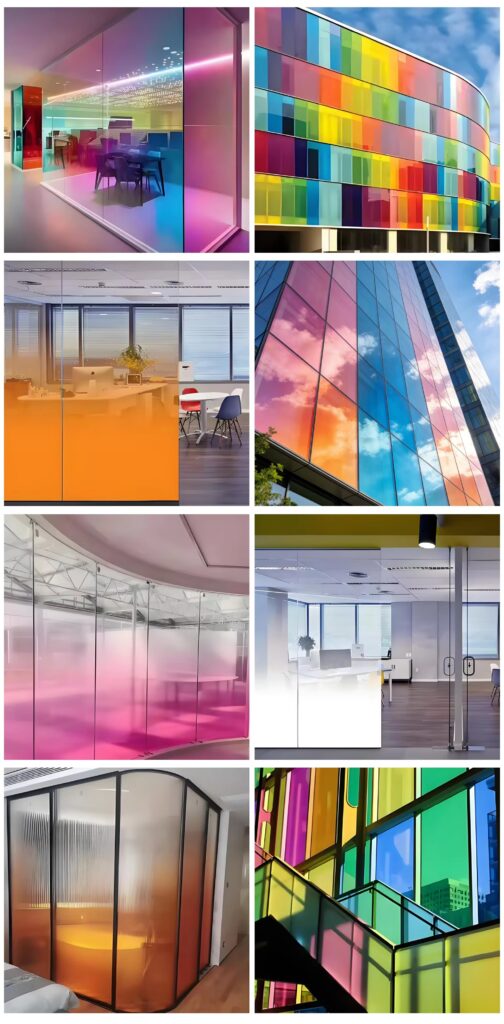
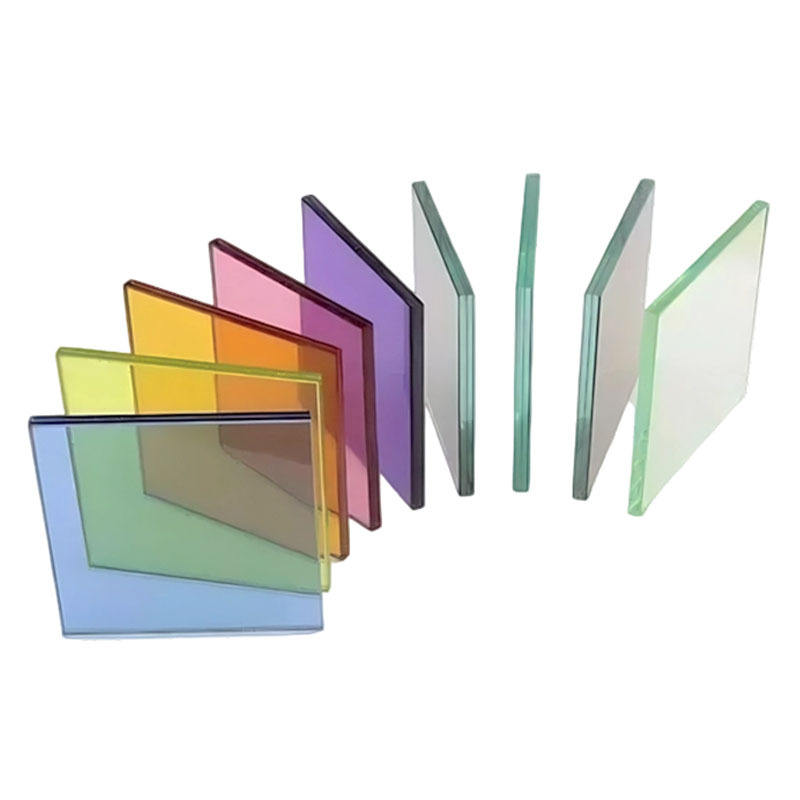
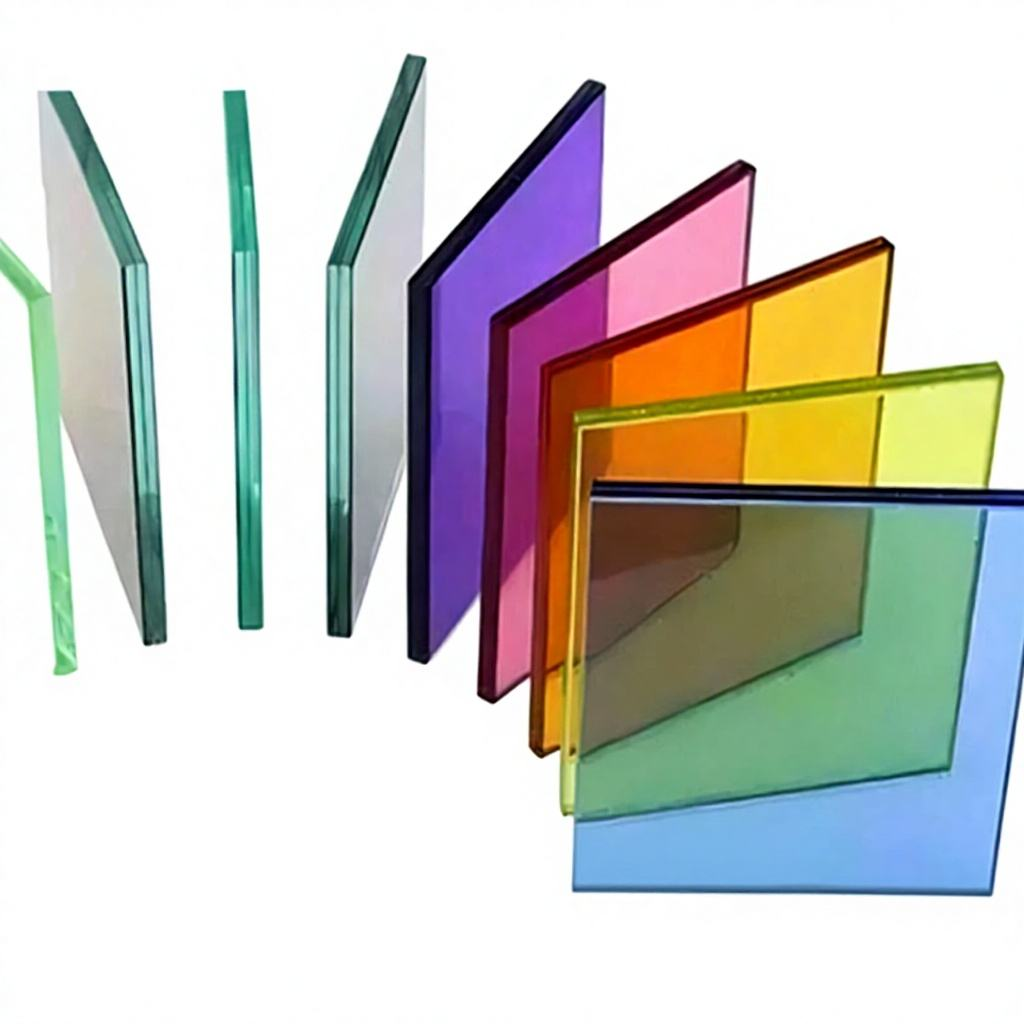
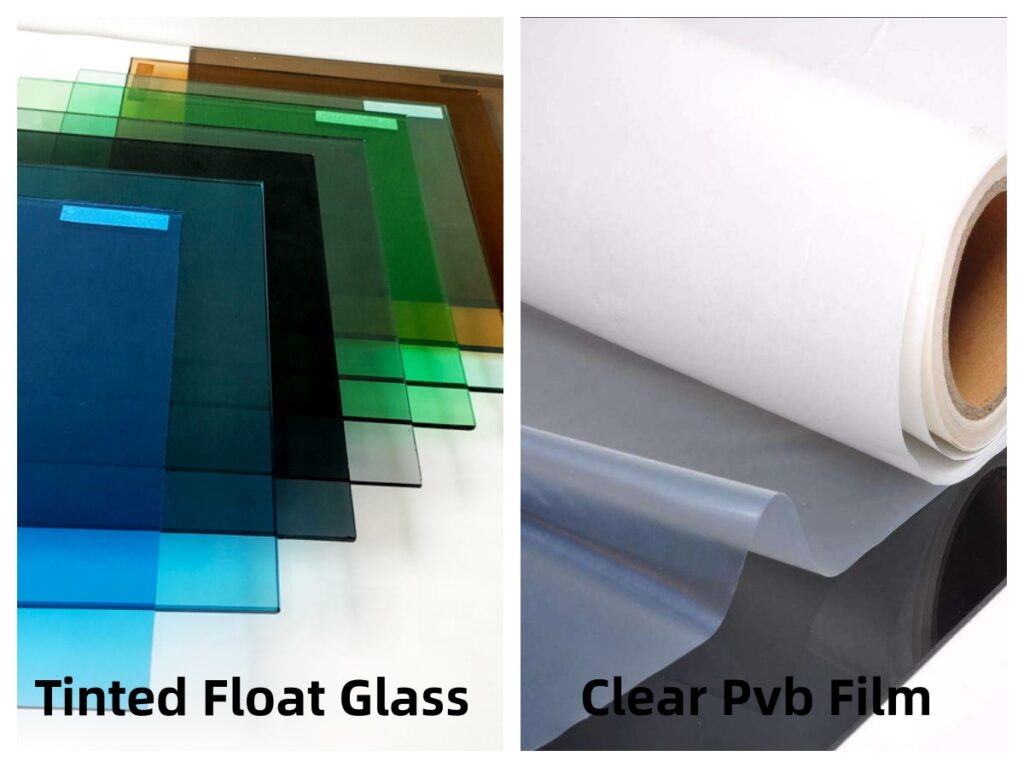 The second option is Colored Interlayer Laminated Glass. It uses clear or low-iron glass as substrates, and the color comes from the pigmented interlayer sandwiched between glass plies. The color is fully sealed inside the laminate, protected from abrasion and weathering. It supports a much wider color range, including custom Pantone/RAL shades, milky white, pastel and semi-transparent tones. Since the base glass remains clear, its solar heat performance stays unchanged; this version is mainly for decorative and privacy-focused interior glazing.
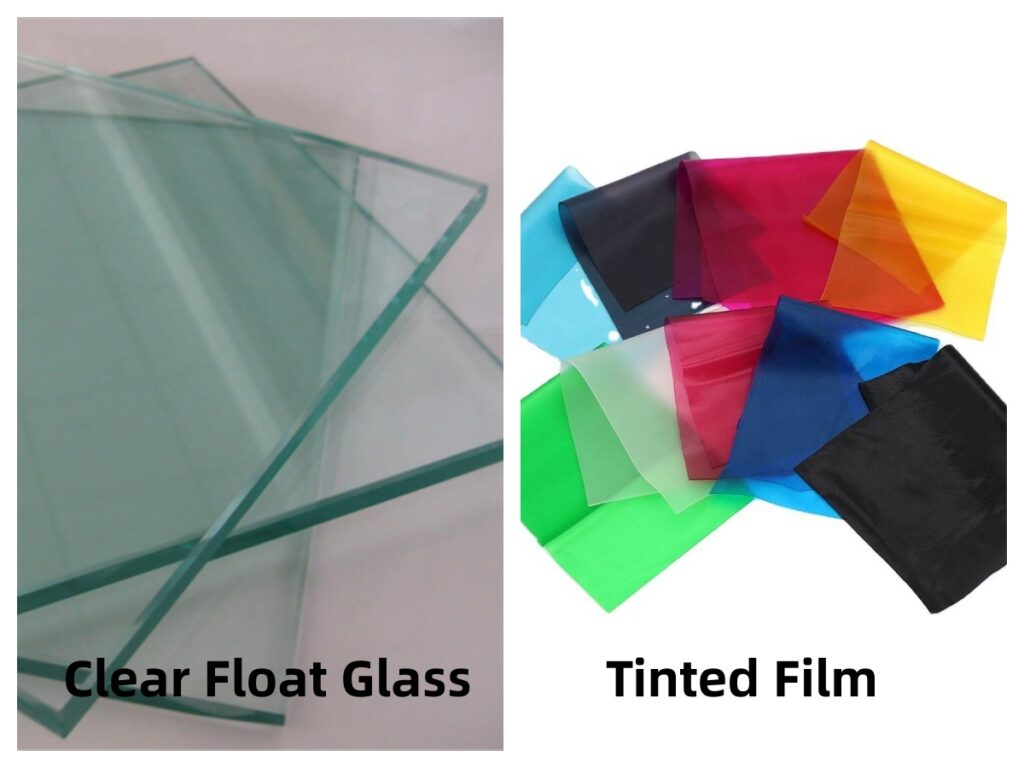 We also offer hybrid construction: body-tinted glass combined with colored interlayer for unique custom visual effects.
Both types retain core laminated safety features. When broken, the interlayer holds glass fragments firmly to avoid sharp falling shards. Meanwhile, PVB and SGP interlayers provide sound insulation and block over 99% UV rays to protect indoor furnishings from fading. All panels can be tempered or heat-strengthened before lamination, and custom processing such as cutting, edge polishing, drilling and notching is available. We supply pre-production color samples for confirmation before bulk orders.